As the world shifts towards renewable energy sources, solar power energy a leader in the transition to sustainable electricity generation. The future of solar energy grid integration is marked by rapid technological advancements and innovative solutions designed to enhance efficiency, reliability and sustainability. This comprehensive guide research into key trends such as smart grids, energy storage systems and advanced photovoltaic materials. We also explore the innovations driving these developments and the challenges that must be addressed to ensure seamless integration.
Understanding these elements is crucial for leveraging solar power's full potential and achieving a strong, green energy future.
Rayzon Solar is a leading manufacturer of high-quality solar panels based in India. The company specializes in advanced photovoltaic technology and produces efficient and reliable solar modules for diverse applications. Rayzon Solar is committed to promoting sustainable energy solutions through innovation, quality assurance and environmental responsibility, making it a key player in the global renewable energy market.
Introduction to Solar Energy Grid Integration:
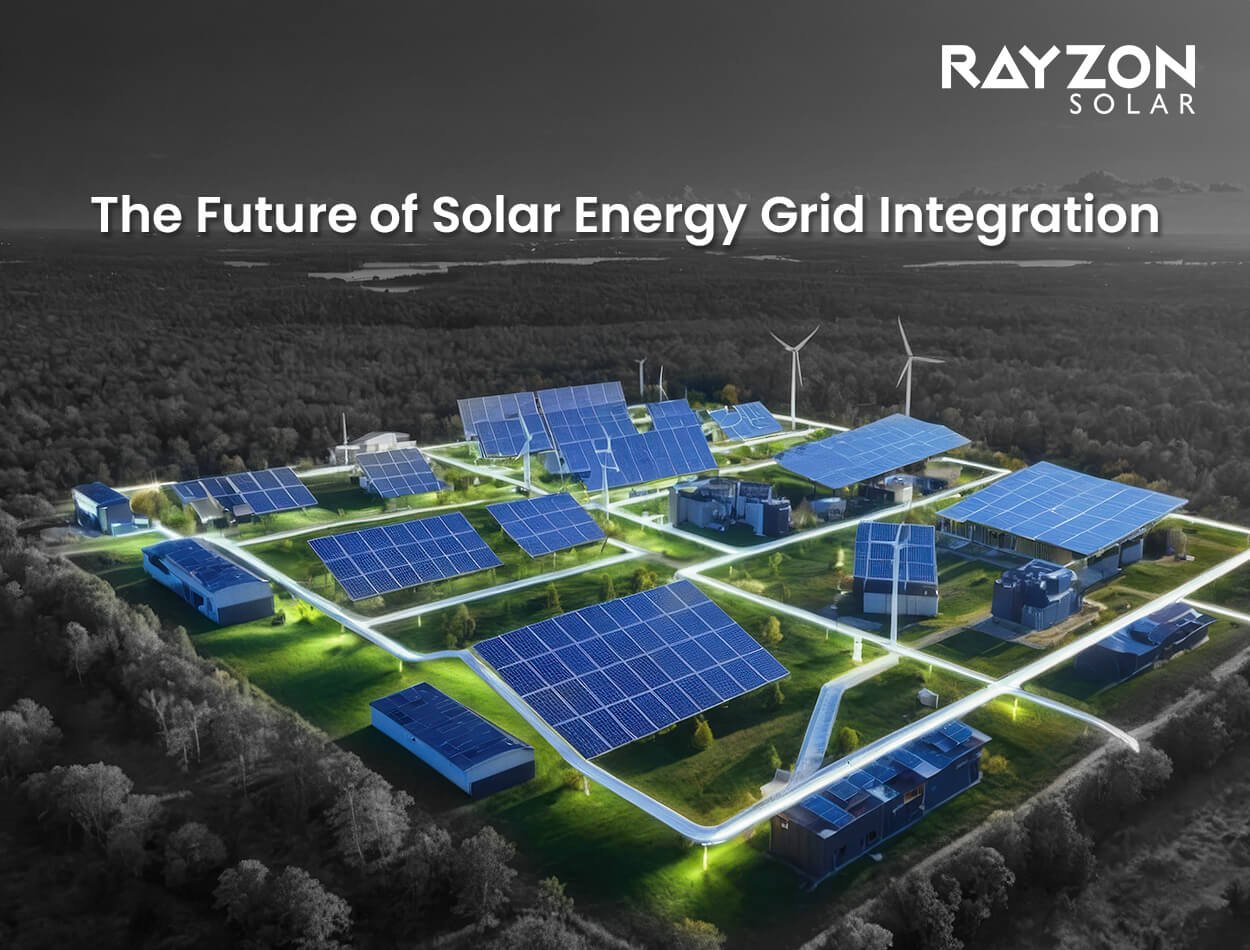
Solar energy grid integration involves incorporating solar power into the existing electrical grid to ensure a reliable and efficient energy supply. This process requires advanced technologies and innovative solutions to manage the intermittent nature of solar power. Key aspects include smart grids, energy storage systems, and real-time monitoring to balance supply and demand. Effective integration enhances grid stability, reduces reliance on fossil fuels, and supports the transition to a sustainable energy future. As solar energy becomes more prevalent, understanding the complexities of grid integration is essential for optimizing performance and achieving long-term energy goals.
Trends Driving Solar Energy Grid Integration:
1. Increased Capacity: The production of solar installations worldwide has led to a significant increase in the capacity of solar energy integrated into electrical grids. Advancements in solar technology, coupled with supportive government policies and incentives, have faster the deployment of utility-scale solar projects.
2. Smart Grid Technologies: The integration of smart grid technologies enables enhanced monitoring, control, and management of solar energy systems within electrical grids. Smart meters, advanced analytics, and demand-response mechanisms optimize grid performance, reduce grid congestion, and maximize the utilization of solar resources.
3. Energy Storage Solutions: The development of energy storage solutions, such as battery storage systems, complements solar energy grid integration by enabling the storage of excess solar power for use during periods of high demand or low sunlight. Energy storage enhances grid flexibility and reliability, facilitating the seamless integration of intermittent renewable energy sources.
Read More: How Is Solar Energy Stored?
Innovations in Solar Energy Grid Integration:
1. Virtual Power Plants (VPPs): VPPs aggregate distributed energy resources, including solar photovoltaic (PV) systems, battery storage, and demand response technologies, to function as a unified power generation and distribution network. VPPs optimize grid stability, reduce energy costs, and enable participation in energy markets.
2. Blockchain Technology: Blockchain-based platforms facilitate peer-to-peer energy trading, allowing solar prosumers to sell excess energy directly to consumers or businesses within localized microgrids. Blockchain ensures transparency, security and efficiency in energy transactions, decentralizing power distribution and fostering energy independence.
3. Artificial Intelligence (AI) and Machine Learning: AI-powered predictive analytics optimize solar energy generation, grid operation, and energy management processes. Machine learning algorithms forecast solar irradiance, predict electricity demand patterns, and optimize grid configurations, enhancing grid reliability and efficiency.
Challenges and Opportunities:
1. Grid Integration Challenges: Grid integration challenges include grid instability, voltage fluctuations, and intermittency issues associated with solar energy generation. Addressing these challenges requires grid modernization efforts, investment in grid infrastructure, and the adoption of advanced grid management technologies.
2. Regulatory and Policy Frameworks: Regulatory frameworks and policies play a crucial role in facilitating solar energy grid integration by incentivizing renewable energy deployment, streamlining permitting processes, and establishing grid interconnection standards. Policymakers must prioritize renewable energy integration and establish clear guidelines to support grid modernization initiatives.
3. Technological Advancements: Continued technological advancements in solar energy storage, grid management, and energy forecasting are essential for overcoming integration barriers and maximizing the benefits of solar energy integration. Research and development efforts should enhance energy storage efficiency, optimize grid operations, and reduce integration costs.
Rayzon Solar: Leading the Way in Solar Innovation:
As a Top solar panel manufacturer company committed to sustainability and innovation, Rayzon Solar is at the forefront of solar energy grid integration. With a focus on delivering best-in-class solar panels, energy storage solutions, and grid integration technologies, Rayzon Solar empowers customers to harness the full potential of solar energy while contributing to a cleaner, greener future.
Conclusion:
The future of solar energy grid integration holds immense promise for revolutionizing the global energy landscape. By embracing key trends, innovations, and opportunities in solar energy integration, stakeholders can accelerate the transition to a sustainable energy future powered by renewable resources. With Rayzon Solar leading the way in solar innovation, Rayzon Solar is dedicated to realizing the vision of a renewable energy-power world by producing high-quality, efficient solar panels. Committed to innovation and sustainability, Rayzon Solar plays a crucial role in advancing global clean energy solutions.
Read More: • Maximizing Solar Panel Efficiency: 7 Expert Tips from Rayzon Solar • Bifacial Solar Panels: Harnessing the Power of Dual-Sided Energy Production
Share this comprehensive guide to the future of solar energy grid integration to educate and inspire others about the transformative potential of renewable energy integration in shaping a sustainable future. Together, Rayzon Solar drives positive change and accelerates the adoption of clean, renewable energy solutions.