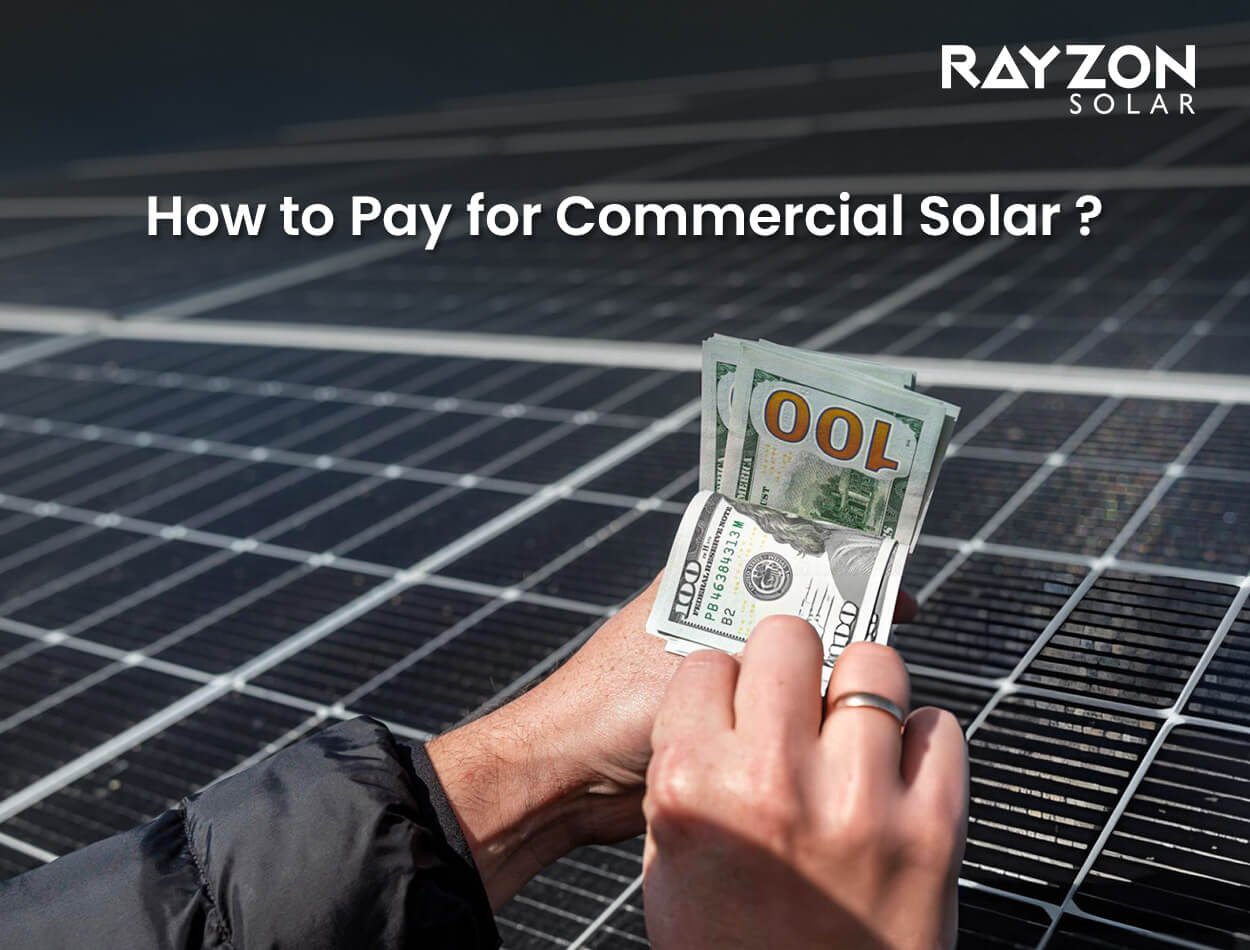
Switching to solar energy is a smart move for businesses looking to reduce their carbon footprint and cut down on energy costs. However, the initial investment in a commercial solar system can be substantial. This guide will help you navigate the various financing options available for commercial solar projects, ensuring you can make the transition to solar energy without breaking the bank.
Rayzon Solar, a leading solar panel manufacturer, specializes in commercial solar projects, providing high-quality, efficient solar solutions custom-made to businesses. Known for its advanced solar technology and commitment to green energy, Rayzon Solar offers customized solar systems designed to maximize energy production and reduce operational costs. Their expertise ensures seamless integration of solar energy into commercial operations, enhancing sustainability and energy independence.
The Importance of Commercial Solar
Before diving into financing options, it's essential to understand why investing in commercial solar is beneficial. Solar energy offers numerous advantages, including:
Cost Savings: Reduced electricity bills can significantly improve your bottom line.
Environmental Impact: Utilizing renewable energy sources helps decrease greenhouse gas emissions.
Energy Independence: Generating your electricity can protect your business from unstable energy prices.
With these benefits in mind, let's explore the various ways you can finance your commercial solar project.
Read More: About Hybrid Solar Systems
Direct Purchase
A direct purchase involves buying the solar system outright. This method requires a significant upfront investment but offers several advantages:
• Full Ownership: You own the solar system and all the energy it produces.
• Tax Benefits: You can take advantage of federal and state tax incentives, such as the Investment Tax Credit (ITC), which allows you to deduct a portion of the cost of the solar system from your taxes.
• Increased Property Value: Solar panels can increase the value of your commercial property.
However, not all businesses can afford the initial capital outlay. For those needing more flexible financing options, there are several alternatives to consider.
Solar Leases and Power Purchase Agreements (PPAs)
Solar Leases
A solar lease allows you to install a solar system on your property without the upfront costs. In its place, you pay a fixed monthly fee to a solar provider, like Top Solar Manufacturers, which retains ownership of the system. This fee is often lower than your current electricity bill, leading to immediate savings.
Advantages of Solar Leases:
• No Upfront Costs: Start saving on energy costs immediately without a significant initial investment.
• Maintenance Included: The solar provider typically handles maintenance and repairs.
• Predictable Costs: Fixed monthly payments make budgeting informal.
Power Purchase Agreements (PPAs)
Power Purchase Agreements ( PPAs ) are similar to solar leases, but instead of a fixed monthly fee, you pay for the electricity generated by the solar system at a predetermined rate. This rate is usually lower than the local utility rate, offering immediate savings.
Advantages of PPAs:
• No Upfront Costs: The solar provider covers the cost of installation and maintenance.
• Lower Energy Costs: Pay a lower rate for solar-generated electricity.
• Performance Guarantees: Providers often guarantee a minimum level of energy production.
Both solar leases and PPAs are excellent options for businesses that want to benefit from solar energy without the high initial investment.
Solar Loans
Solar loans are another popular financing option. These loans allow you to borrow money to purchase the solar system and pay it back over time. Solar loans can be secured or unsecured, and terms vary widely.
Advantages of Solar Loans:
• Ownership: You own the solar system once the loan is paid off, reaping all the financial and tax benefits.
• Flexible Terms: Loans can be tailored to fit your budget, with varying interest rates and repayment periods.
• Tax Benefits: Like direct purchases, solar loans allow you to take advantage of tax incentives.
Many financial institutions, including top solar companies and Rayzon Solar, a leading solar panel manufacturer, offer specialized solar loan programs to make financing informal.
Commercial Property Assessed Clean Energy (C-PACE) Financing
C-PACE is an innovative financing mechanism that allows commercial property owners to finance energy efficiency and renewable energy projects through a voluntary property tax assessment. This method provides long-term, fixed-rate financing for up to 100% of a project’s cost.
Advantages of C-PACE Financing:
• No Upfront Costs: Covers 100% of the project cost, eliminating the need for initial capital.
• Long Repayment Terms: Terms can extend up to 30 years, making payments more manageable.
• Transferable: The assessment stays with the property, not the owner, making it attractive to businesses planning to sell.
C-PACE financing is available in many states and can be a game-changer for businesses looking to implement green energy solutions.
Tax Incentives and Rebates
In addition to the financing options mentioned, various tax incentives and rebates can reduce the cost of your commercial solar system. These include:
Investment Tax Credit (ITC): As mentioned, the ITC allows businesses to deduct a percentage of the solar system cost from their federal taxes. The percentage varies year by year.
Depreciation Benefits: The Modified Accelerated Cost Recovery System (MACRS) allows businesses to recover solar system costs through depreciation deductions.
State and Local Incentives: Many states offer additional incentives, including rebates, tax credits, and grants.
Combining these incentives with a suitable financing option can significantly reduce the overall cost of your commercial solar project.
Conclusion
Transitioning to solar energy is a strategic move for businesses aiming to reduce costs and enhance sustainability. With various financing options available, from direct purchases to innovative solutions like C-PACE financing, you can find a method that fits your budget and needs. Additionally, leveraging tax incentives and selecting top-tier solar panels from Rayzon Solar A top solar panel manufacturer will ensure your investment pays off in the long run.
By understanding and utilizing the financing options outlined in this guide, you can confidently move forward with your commercial solar project, contributing to a greener future and enjoying significant financial benefits. Embrace solar energy today and position your business as a leader in renewable energy and sustainability.
For more detailed information, refer to the following resources:
How Much Space Do You Need for Solar Panels in Commercial Solar Projects? Benefits of Solar Panels for Commercial Buildings