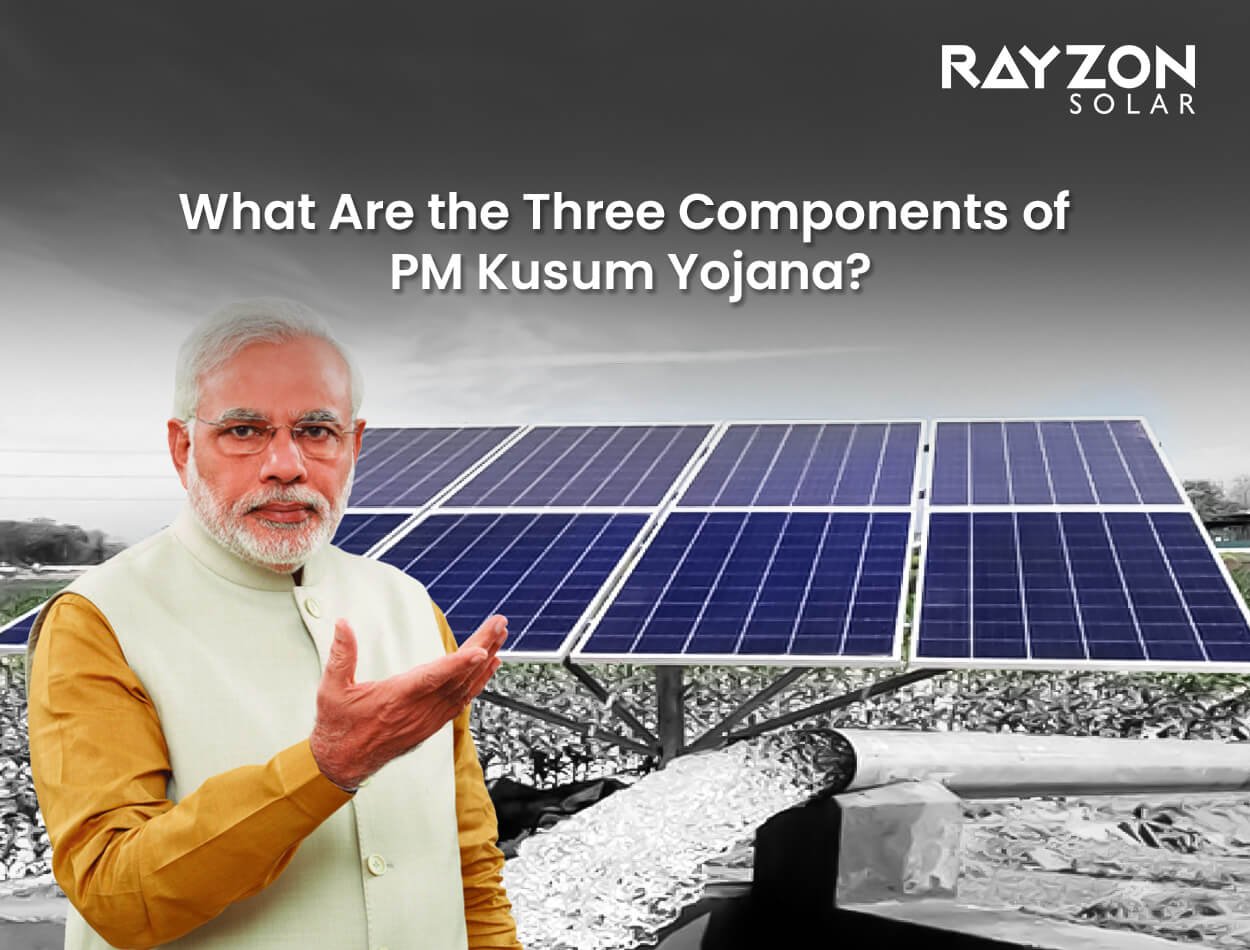
The PM Kusum Yojana (Pradhan Mantri Kisan Urja Suraksha evam Utthaan Mahabhiyan) is a landmark initiative by the Indian government aimed at boosting solar energy adoption among farmers. Launched to enhance energy security, provide reliable irrigation, and reduce the carbon footprint, this scheme is a key step towards achieving sustainable agricultural growth. In this comprehensive blog, we will delve into the three core components of the PM Kusum Yojana, exploring its impact, benefits, and the role of various stakeholders including Rayzon Solar a top solar panel manufacturer in India.
Component A: Installation of Decentralized Ground-Mounted Grid-Connected Renewable Power Plants
The PM Kusum Yojana's first component focuses on installing decentralized ground-mounted grid-connected renewable power plants. This segment targets using barren and fallow land, transforming it into productive assets. Here’s a closer look at the key aspects:
Key Features
1.Capacity and Scale: The initiative aims to establish renewable power plants with a capacity ranging from 500 kW to 2 MW.
2.Farmer Participation: Farmers, co-operatives, and panchayats are encouraged to set up these plants, thereby generating additional income through the sale of surplus power.
3.Land Utilization: The use of non-agricultural land ensures that agricultural productivity is not compromised, promoting efficient land use.
Benefits
- Income Generation: Farmers earn by leasing their land or through direct participation in power generation.
- Energy Security: Enhances the reliability of power supply in rural areas, reducing dependence on conventional energy sources.
- Environmental Impact: Contributes significantly to the reduction of greenhouse gas emissions, promoting green energy solutions.
Component B: Installation of Standalone Solar Agriculture Pumps
The second component revolves around the installation of individual solar agriculture pumps, aimed at ensuring reliable and affordable irrigation solutions for farmers.
1.Capacity: Solar pumps with a capacity of up to 7.5 HP are covered under this scheme.
2.Target Audience: Small and marginal farmers who lack access to grid power are the primary beneficiaries.
3.Subsidies: Government subsidies make these solar pumps financially accessible to farmers.
Benefits
- Cost Savings: Reduces the expenditure on diesel or electricity for irrigation.
- Water Efficiency: Promotes the use of efficient irrigation practices, conserving water resources.
- Renewable Energy: Utilizes solar energy systems, reducing carbon footprint and promoting renewable resources.
Component C: Solarisation of Grid-Connected Agriculture Pumps
The third component involves the solarisation of existing grid-connected agriculture pumps, allowing farmers to generate solar power and use it for irrigation while feeding surplus power back into the grid.
Key Features
1.Dual Use: Farmers can use solar power for irrigation and sell the excess power to the grid.
2.Capacity: Covers the solarisation of pumps up to 7.5 HP.
3.Incentives: Attractive tariffs for surplus power fed into the grid incentivize farmers.
Benefits
- Income Augmentation: Farmers earn additional income through the sale of surplus power.
- Energy Efficiency: Promotes the efficient use of energy, reducing electricity bills.
- Environmental Benefits: Enhances the adoption of renewable energy sources, contributing to environmental sustainability.
Role of Top Solar Panel Companies in India
Top solar panel companies in India, such as Rayzon Solar, play a crucial role in the successful implementation of the PM Kusum Yojana. These companies are instrumental in providing high-quality solar panels, efficient solar energy systems, and reliable solar panel installation services. Here’s how they contribute:
Quality Assurance
- Best Solar Panels: Companies like Rayzon Solar ensure the supply of the most efficient solar panels, enhancing the overall performance of solar installations.
- Top Solar Panel Manufacturers: Leading manufacturers adhere to stringent quality standards, ensuring the durability and longevity of solar panels.
Innovation and Technology
- Photovoltaic Technology:Continuous advancements in photovoltaic technology drive efficiency improvements, making solar energy more accessible and affordable.
- Solar Cell Efficiency: Innovations in solar cell technology contribute to higher energy conversion rates, maximizing power output.
Installation and Maintenance
- Solar Panel Installation: Professional installation services ensure optimal placement and performance of solar panels, minimizing losses and maximizing gains.
- Maintenance Services: Regular maintenance and support services by top solar EPC companies in India ensure the long-term efficiency and reliability of solar installations.
Financial Considerations and Subsidies
The PM Kusum Yojana offers various financial incentives and subsidies to make solar energy adoption financially viable for farmers.
Subsidy Structure
- Central Financial Assistance: The government provides substantial subsidies covering a significant portion of the installation costs.
- State-Level Subsidies: Additional subsidies and incentives may be available at the state level, further reducing the financial burden on farmers.
Cost Benefits
- Solar Panel Cost:With subsidies, the cost of solar panels and installation becomes affordable for farmers, promoting widespread adoption.
- Return on Investment: The income generated through the sale of surplus power and savings on energy costs ensure a high return on investment for farmers.
Conclusion
The PM Kusum Yojana is a transformative initiative that not only enhances energy security for farmers but also promotes sustainable agricultural practices and environmental conservation. The three components of the scheme – installation of decentralized ground-mounted renewable power plants, standalone solar agriculture pumps, and solarisation of grid-connected agriculture pumps – collectively drive the adoption of renewable energy in India.
With the active participation of top solar panel companies in India like Rayzon Solar, the scheme is poised to make a significant impact on the agricultural sector, fostering a greener and more sustainable future. By leveraging the benefits of solar energy systems, farmers can achieve energy independence, and financial stability, and contribute to the nation’s renewable energy goals.
You Can Also read this: About PM Surya Ghar Yojana