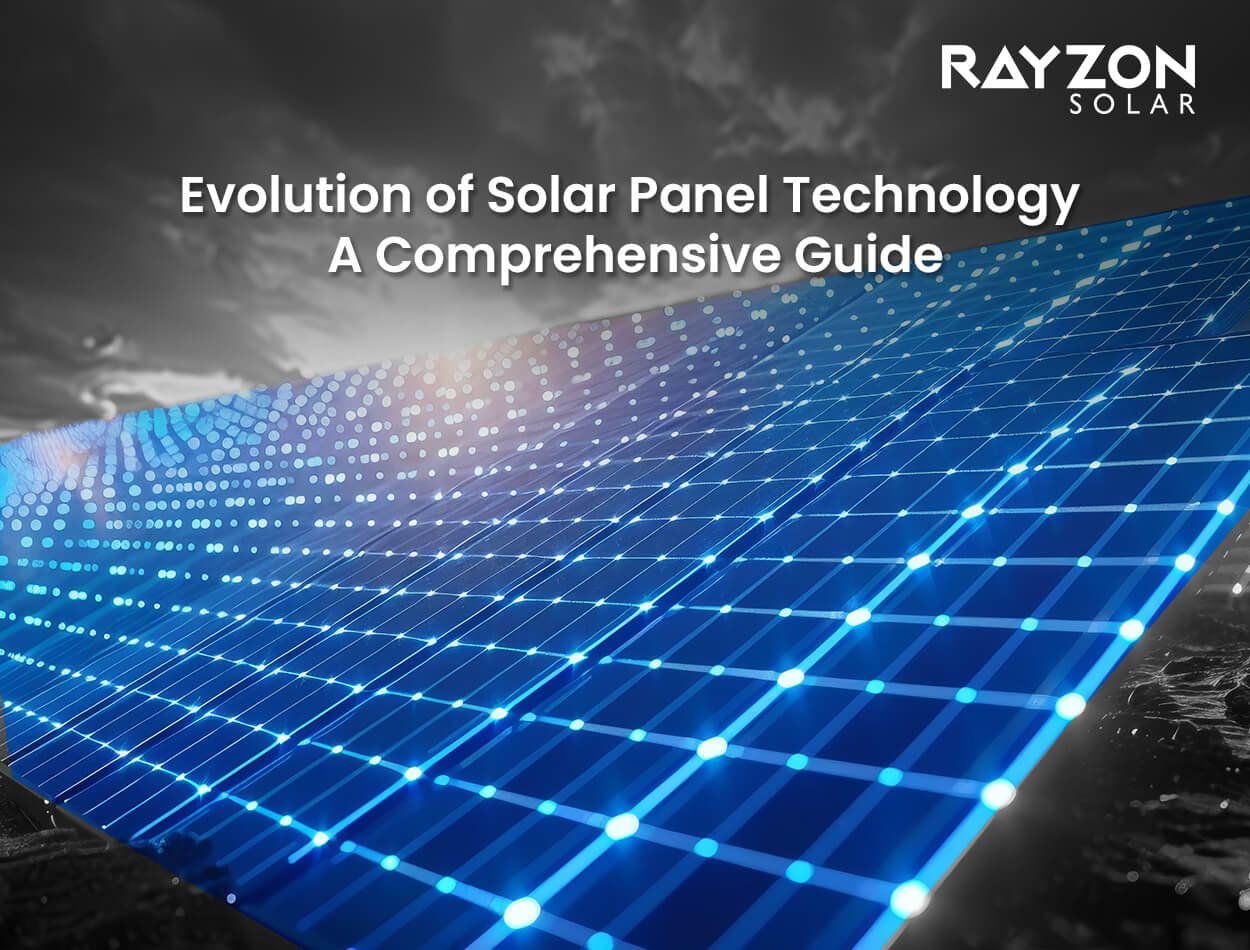
Solar panel technology has come a long way since its inception, evolving from basic experimental devices to highly efficient and advanced systems that power millions of homes and businesses worldwide. This comprehensive guide will explore the history, development, and future of solar panel technology, highlighting key advancements and contributions from Rayzon Solar a Top solar Panel Manufacturer In India.
The Early Days of Solar Panel Technology
Discovery of the Photovoltaic Effect
The foundation of solar technology lies in the photovoltaic effect, discovered by French physicist Edmond Becquerel in 1839. He observed that certain materials could produce an electric current when exposed to light, laying the groundwork for future solar cell development.
The First Solar Cells
The first practical solar cell was developed in 1954 by Bell Labs. These early solar cells had an efficiency of around 6%, far lower than today's standards but significant enough to demonstrate the potential of solar energy.
Advancements in Solar Cell Efficiency
First Generation Solar Panels:
The advent of first-generation solar panels marked a significant milestone in the evolution of solar technology. These panels, crafted from crystalline silicon wafers, boasted high efficiency and reliability, making them the go-to choice for residential and commercial installations. Rayzon Solar emerged as a pioneer in solar panel manufacturing, driving advancements in efficiency, durability, and affordability. With a commitment to excellence, Rayzon Solar and other leading manufacturers boosted the solar industry into a new era of growth and innovation.
Second Generation Solar Panels:
As the demand for solar energy continued to rise, second-generation solar panels emerged as a cost-effective alternative to traditional crystalline silicon panels. Thin-film solar panels, characterized by their lightweight and flexible design, gained traction for their versatility and ease of installation. While slightly less efficient than their crystalline counterparts, thin-film panels found applications in diverse sectors, from residential rooftops to large-scale solar farms, further expanding the reach of solar power across the globe.
Third Generation Solar Panels:
The quest for greater efficiency and lower costs led to the development of third-generation solar panels, poised to revolutionize the solar industry once again. These panels, made from advanced materials such as nanotubes, organic dyes, and conductive plastics, hold the promise of significantly enhancing solar efficiency while reducing manufacturing costs. Bifacial modules, a key innovation in third-generation technology, capture sunlight from both the front and rear sides of the panel, maximizing energy production and efficiency.
Read More:- Bifacial modules
The Rise of High-Efficiency Solar Panels
The quest for higher efficiency has led to the development of several high-efficiency solar panel technologies, including:
1. PERC (Passivated Emitter and Rear Cell): This technology improves efficiency by adding a passivation layer on the rear side of the solar cell, reducing electron recombination.
2. HIT (Heterojunction with Intrinsic Thin layer): Combining crystalline silicon with thin-film silicon, HIT cells achieve high efficiency and better performance in high temperatures.
3. IBC (Interdigitated Back Contact): IBC cells place all the electrical contacts on the back of the cell, reducing shading and increasing efficiency.
Solar Technology and Applications
Residential Solar Systems
Solar technology has become increasingly accessible for residential use. The best solar panels for home applications are designed to maximize energy production in limited space, providing homeowners with reliable and cost-effective renewable energy solutions.
Commercial and Industrial Solar Systems
Commercial and industrial solar systems require robust and high-efficiency panels to meet large-scale energy demands. Leading solar panel manufacturers offer specialized solutions tailored to these sectors.
Solar Energy in India
India has emerged as a significant player in the renewable energy sector, with ambitious targets for solar energy capacity. Rayzon Solar The best solar panel company in India, along with other top manufacturers, is driving the country's transition to a green energy future.
The Future of Solar Panel Technology
Emerging Technologies
Several emerging technologies have the potential to revolutionize the solar industry, including:
1. Perovskite Solar Cells: Offering high efficiency and low production costs, perovskite cells are seen as a promising alternative to traditional silicon cells.
2. Quantum Dot Solar Cells: These cells use quantum dots to enhance light absorption and conversion efficiency.
3. Organic Photovoltaics (OPVs): OPVs use organic materials to produce flexible and lightweight solar cells, suitable for a variety of applications.
Integration with Smart Technology
The integration of solar panels with smart technology is another exciting development. Smart solar systems can optimize energy production, storage, and consumption, providing users with greater control and efficiency.
Sustainable Manufacturing Practices
Sustainability is a growing focus in solar panel manufacturing. Companies are adopting eco-friendly practices to minimize environmental impact, from sourcing raw materials to end-of-life recycling.
Government Policies and Incentives
Supportive government policies and incentives are crucial for the continued growth of the solar industry. Subsidies, tax credits, and favourable regulations encourage the adoption of solar energy and the development of new technologies.
Conclusion
The evolution of solar panel technology has been marked by continuous innovation and improvement. From the discovery of the photovoltaic effect to the development of high-efficiency and bifacial modules, the journey of solar technology is a testament to human ingenuity and the pursuit of sustainable energy solutions.
Rayzon Solar a top solar manufacturer has played a pivotal role in advancing solar technology, making it more efficient, affordable, and accessible. As we look to the future, the integration of emerging technologies, smart systems, and sustainable practices will further enhance the potential of solar energy.
The global shift towards renewable energy sources is more important than ever, and solar technology is at the forefront of this transition. By understanding the history, advancements, and future trends in solar panel technology, we can better appreciate the impact of this remarkable innovation on our lives and the planet.
As solar panels continue to evolve, they will undoubtedly play an even more significant role in meeting the world's energy needs, driving us towards a greener and more sustainable future. Whether you are a homeowner looking for the best solar panels for your home or a business seeking large-scale renewable energy solutions, the advancements in solar technology offer a promising path forward.
Read More:- The History Of Solar Energy