In recent years, the off-grid solar system has emerged as a viable solution for homeowners and businesses looking to generate their electricity without relying on the traditional power grid. Also known as a standalone solar system, off-grid solar power is beneficial for those living in remote areas or seeking energy independence. As the demand for renewable energy rises and technology evolves, off-grid solar installations become more affordable and accessible
Additionally, a new trend is revolutionizing solar energy: installing solar panels on bodies of water, such as lakes and reservoirs. This approach maximizes space and reduces land-use issues, offering an innovative solution for solar energy production.
Understanding Off-Grid Solar Systems
What Does "Off-Grid" Mean?
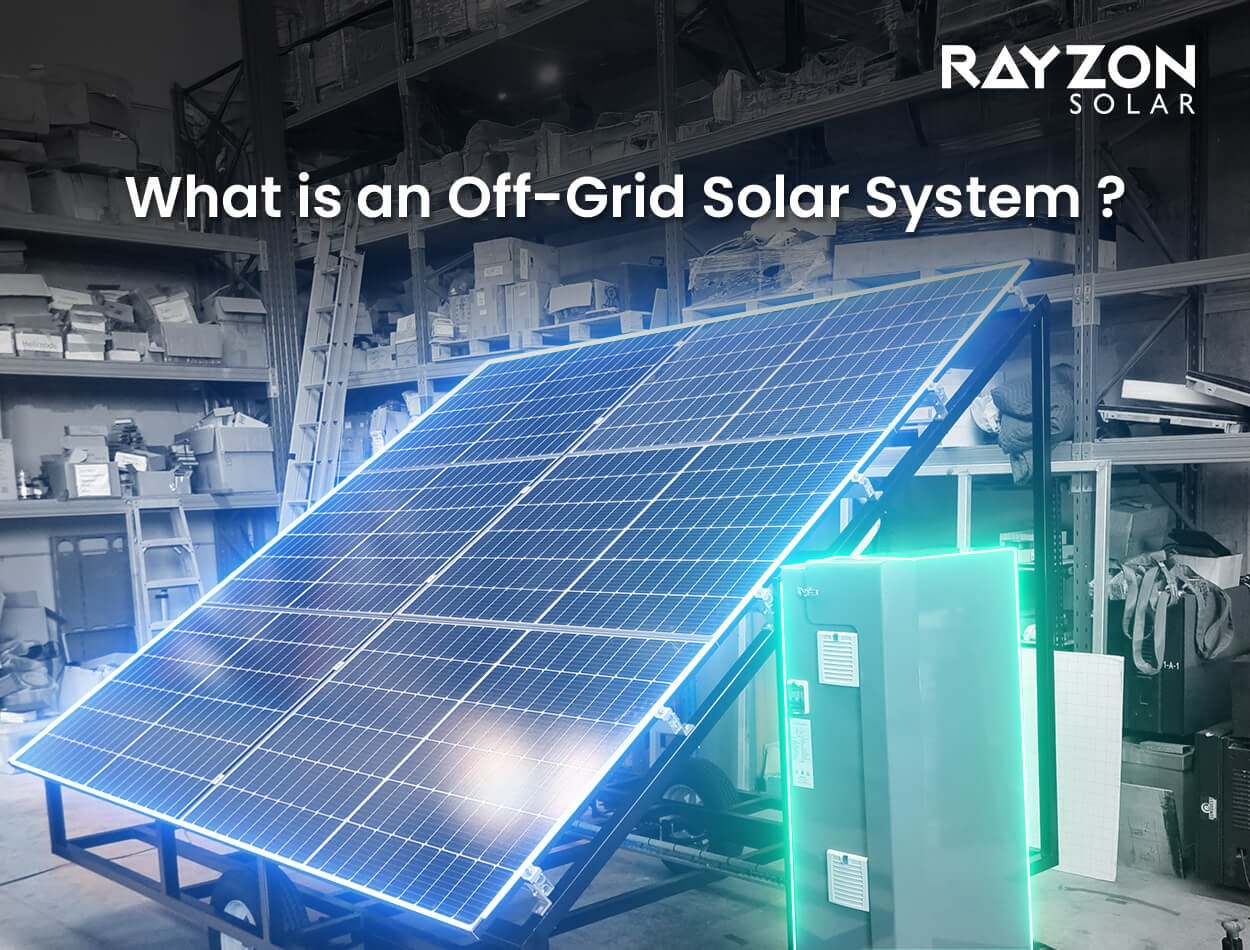
An off-grid solar system refers to a power generation system that is not connected to the national electricity grid. This type of solar system operates independently, providing electricity to homes or businesses without relying on utility providers. Unlike grid-tied systems, off-grid solar energy systems require batteries to store excess energy for later use.
Off-grid solar systems are ideal for remote areas where access to the grid is limited or expensive. They offer a sustainable solution for individuals seeking autonomy over their energy consumption.
How Do Off-Grid Solar Systems Work?
Off-grid solar systems consist of several key components that work together to produce and store energy:
- Solar Panels: Capture sunlight and convert it into electricity.
- Inverter: Converts the direct current (DC) generated by the solar panels into alternating current (AC), which is used by most household appliances.
- Batteries: Store excess energy produced during the day for use at night or during periods of low sunlight.
- Charge Controller: Regulates the amount of electricity going into the batteries to prevent overcharging.
For those asking, "How does an off-grid solar system work?", the process is straightforward: solar panels generate power during the day, which is either used immediately or stored in batteries for later. The inverter ensures that electricity is delivered in a usable format, while the charge controller maintains battery health.
You can read more about how solar panels work here.
Components of an Off-Grid Solar System
Solar Panels
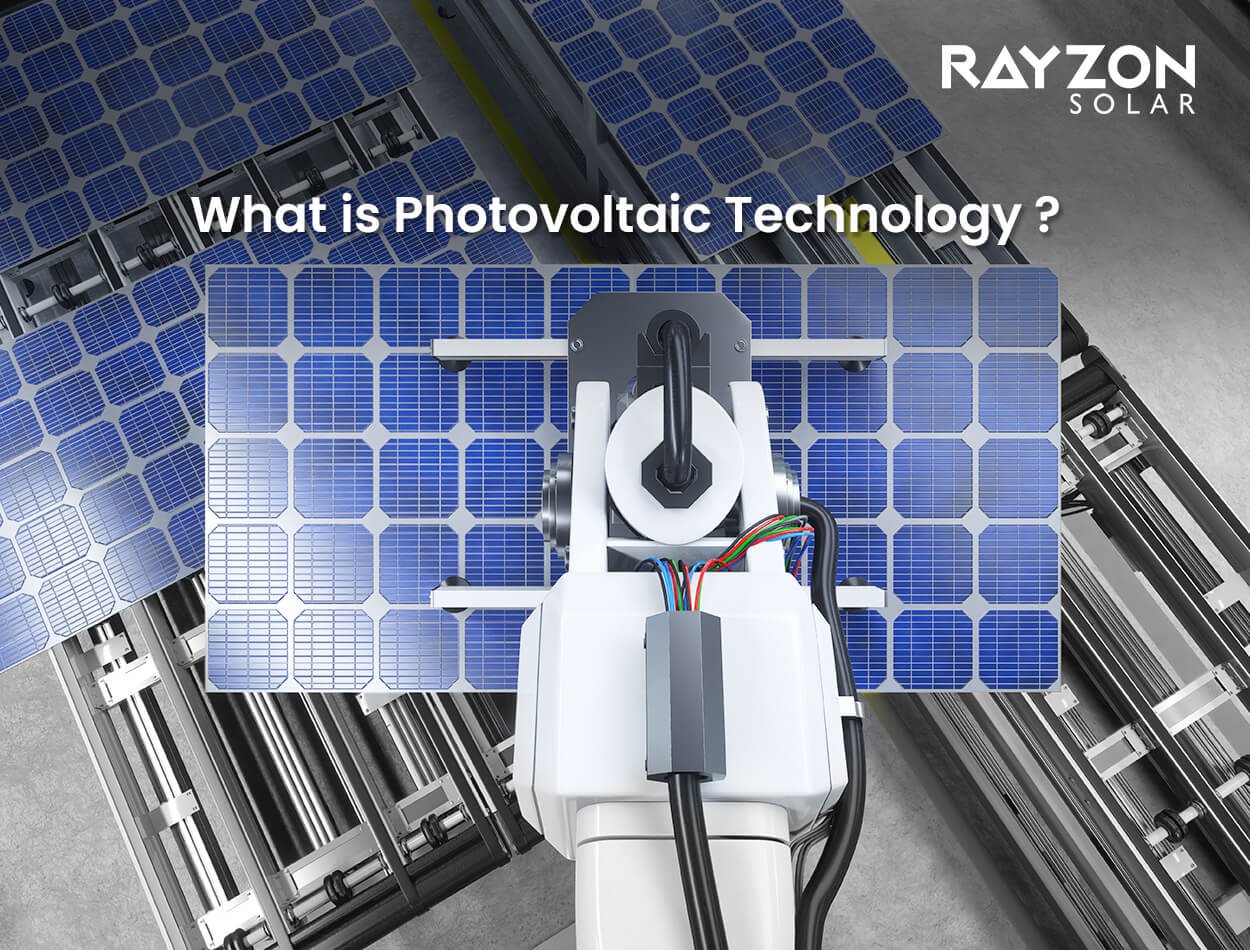
The heart of an off-grid solar system is its solar panels. These panels capture sunlight and convert it into electricity using photovoltaic cells. Off-grid solar systems typically require more solar panels than grid-tied systems to ensure consistent power generation throughout the day.
When choosing solar panels for an off-grid system, it's essential to consider efficiency, durability, and space. Some of the best solar panels offer high efficiency and can withstand harsh weather conditions, making them perfect for off-grid installations in remote areas.
Solar Batteries for Energy Storage
Since off-grid systems don't have access to the grid, batteries play a crucial role in storing excess energy for later use. Solar batteries allow homeowners to continue using solar power even when the sun isn't shining. The best batteries for off-grid solar systems are those with high storage capacity and long lifespan.
Common battery types used in off-grid solar systems include lead-acid, lithium-ion, and nickel-cadmium batteries, with lithium-ion often being the preferred choice due to its efficiency and longevity.
Inverters and Charge Controllers
An off-grid solar inverter converts the direct current (DC) electricity generated by the solar panels into alternating current (AC) that powers household appliances. Inverters vary in size and capacity, so it’s important to choose one that fits the energy demands of your system.
Charge controllers prevent batteries from being overcharged by regulating the amount of current flowing into them. This ensures the longevity of the battery bank, which is critical for maintaining a reliable off-grid energy solution.
Benefits of an Off-Grid Solar System
Independence from the Grid
One of the biggest advantages of an off-grid solar system is the freedom it offers from the traditional energy grid. Whether you're living in a remote area or simply want to be less reliant on utility companies, off-grid solar power allows you to generate your electricity and store it for later use. This independence also makes off-grid solar systems an ideal solution for those who are eco-conscious and want to reduce their carbon footprint.
Environmental and Financial Benefits
Off-grid solar systems provide a renewable energy solution that is both eco-friendly and cost-effective. By generating electricity from the sun, homeowners can significantly reduce their reliance on fossil fuels, helping to lower greenhouse gas emissions. Additionally, though the solar panel installation cost can be high upfront, off-grid systems offer long-term savings by eliminating electricity bills.
For many, the investment in off-grid solar installation pays off over time as they enjoy both environmental and financial benefits.
Challenges of Off-Grid Solar Systems
High Initial Cost
The initial cost of installing an off-grid solar system can be a significant barrier for some. The price of solar panels, batteries, inverters, and installation fees can add up quickly. However, the long-term savings from eliminating electricity bills make this a wise investment for many, especially in areas where grid electricity is unreliable or expensive.
Energy Management and Battery Lifespan
Off-grid solar systems require careful energy management, particularly during periods of low sunlight or increased energy consumption. The lifespan of solar batteries can also be a limiting factor, with most batteries needing replacement after 10-15 years.
Many homeowners opt for systems with battery backup to ensure they have enough stored energy to power their homes through cloudy days or power outages.
How to Choose the Right Off-Grid Solar System
Sizing Your Solar System
Choosing the right size off-grid solar system depends on your energy needs. Start by calculating your household’s daily energy consumption and determine how much sunlight your location receives. This will help you decide the number of solar panels and batteries you need to meet your energy demands.
For those who prefer a more hands-on approach, there are several DIY off-grid solar power system kits available that allow homeowners to install their own systems. However, it’s crucial to ensure that the system is sized correctly to avoid power shortages.
Finding the Right Installer
When it comes to off-grid solar installation, choosing the right installer is essential. Look for a reputable company with experience in off-grid systems, and ask for references from previous clients. A professional installer can help you select the right components, ensure proper installation, and offer ongoing maintenance.
Conclusion
An off-grid solar system provides a sustainable, cost-effective way to generate electricity independently from the traditional power grid. By installing an off-grid solar system, homeowners can enjoy the benefits of renewable energy, reduce their environmental impact, and save money in the long term. Whether you’re living in a remote location or simply want to achieve energy independence, off-grid solar power is an excellent solution.
With the rising trend of installing solar panels on bodies of water, the possibilities for solar energy production are expanding, offering more innovative ways to maximize space and harness the power of the sun.