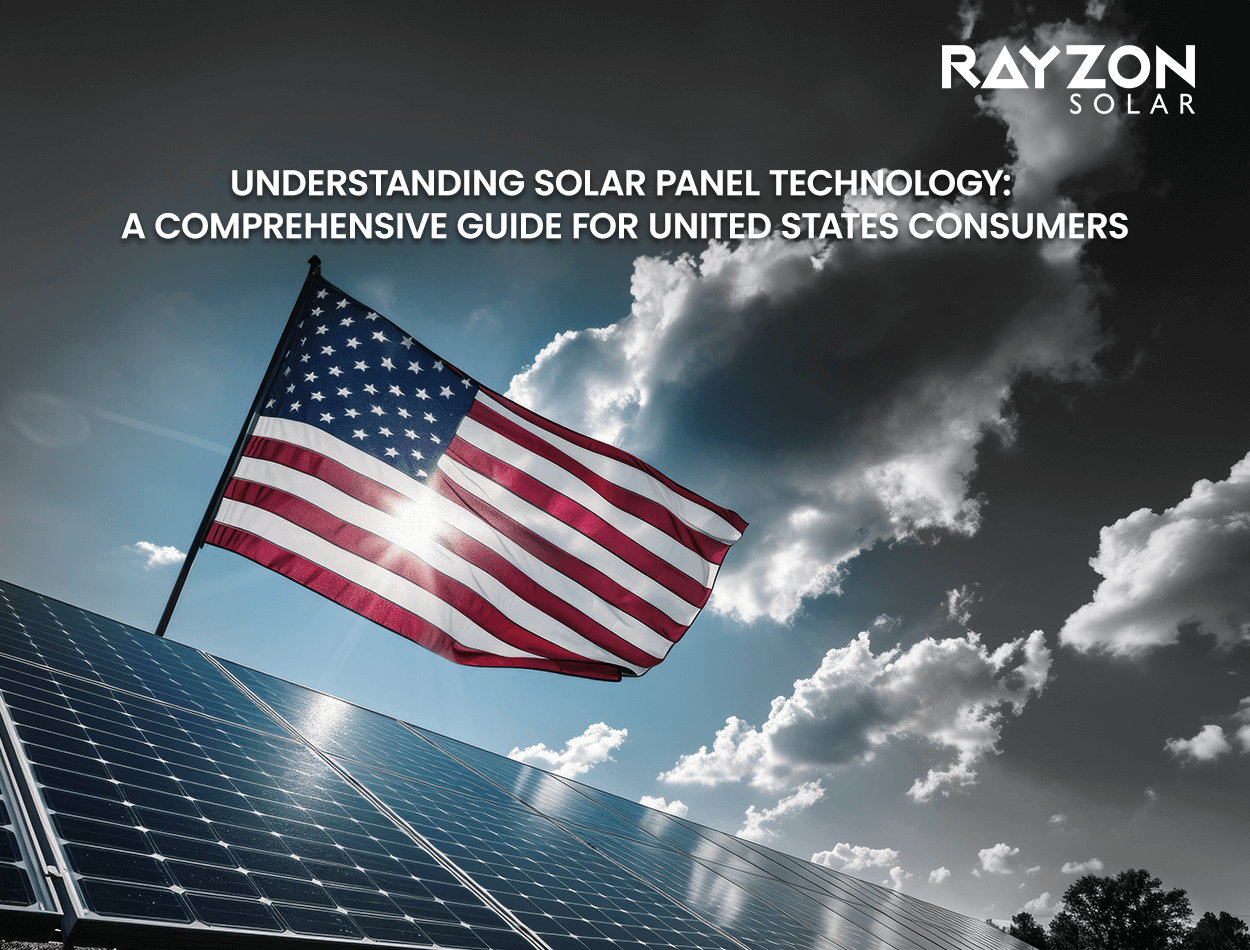
Solar energy has seen a sharp increase in popularity in recent years as more people and companies look for environmentally friendly ways to power their operations. Solar panels are an essential part of this green revolution because they capture solar radiation and turn it into electrical power. However, understanding the science behind solar panels can be difficult for a lot of people. There's so much to learn about solar cells and efficiency ratings, for example. We will break down the principles of solar panel technology so that United States customers can take wise choices about adopting solar energy in their homes or places of business.
The Basics: How Do Solar Panels Work?
Every solar panel consists of a photovoltaic (PV) cell, which is usually composed of silicon. Through the process of photovoltaics, solar cells produce an electric current when exposed to sunlight. An inverter then transforms this direct current (DC) into alternating current (AC), which is suitable for usage by home appliances and the electrical grid.
Types of Solar Panels
1. TOPCon Solar Panels
- Renowned for its cutting-edge Topcon solar panels, Rayzon Solar is one of the top solar panel manufacturers in the United States. These panels are different from traditional designs because they are made using a cutting-edge technique called Top-contact solar cells. More effective light absorption is made possible by Topcon technology, which places the electrical connections on the top surface of the cell at specific angles.
- Topcon solar panels are very useful in installations with limited space or in places that receive partial shadow. By reducing shading and improving overall cell efficiency, they ensure optimal energy production even in challenging conditions. Their high performance and durability make them a popular choice for both residential and commercial applications.
2. Bifacial Solar Panels
- Rayzon Solar is among the top solar companies in the USA known for its cutting-edge bifacial solar panels. By absorbing sunlight reflected off neighbouring objects or the ground, these panels can produce electricity from both their front and rear surfaces.
- Bifacial panels maximize energy generation because of their transparent back sheet, which lets light flow through and reach the back side of the cells. Depending on installation circumstances and surface reflectivity, bifacial technology can boost energy production by up to 20% when compared to conventional monofacial panels. They are adaptable and suitable for a range of mounting configuration, elevated installations and ground-mounted systems.
3. Monofacial Solar Panels
- Monofacial solar panels, the conventional kind that only produces power from one side, are available from solar panel manufacturing companies in USA Like, Rayzon Solar in a variety of styles. These panels come in a variety of designs, including monocrystalline and polycrystalline, and offer varying degrees of performance and efficiency.
- For utility-scale, commercial, and residential solar systems, monofacial panels are an affordable and popular option. Even though in some situations they might not be able to collect as much energy as bifacial panels, monofacial panels are nevertheless a dependable and well-liked option for many solar projects.
4. Black Module Solar Panels
- In addition, Solar panel manufacturing companies in USA Like, Rayzon Solar manufactures black module solar panels that are attractive. Compared to conventional blue panels, these panels are aesthetically pleasing due to their sleek, uniform black appearance, black back sheets, and black frames.
- Black module solar panels are fashionable, but they nevertheless produce electricity with the same reliability and efficiency as regular solar panels for your home or business. They are a desirable option for residential installations where aesthetics is important because they mix in perfectly with rooftops.
Factors to Consider When Choosing Solar Panels
- Efficiency:In a given square foot of space, panels with higher efficiency generate more electricity. On the other hand, their cost is typically higher. Depending on your energy needs and spending capacity, it's critical to find a balance between cost and efficiency.
- Durability:Seek panels with a strong structure and a long-term performance warranty. Durability and effectiveness can also be increased by using weather-resistant materials and anti-reflective coatings.
- Manufacturer Reputation: Examine the solar panel manufacturer's history, paying particular attention to their dependability, customer support, and conformity to industry standards. Selecting reliable Solar Panel manufacturing and suppling companies in the United States like Rayzon Solar can guarantee long-term support for your solar investment and give you peace of mind.
If you want to get more information about it, so you can read this: The Top 3 Things to Look for in Solar Panels
Understanding Solar Panel Efficiency Ratings
The percentage of sunlight that a solar panel can convert to power is known as its efficiency. Although panels with higher efficiency produce more power, their cost is typically higher. Premium panels have efficiency ratings higher than 20%, while standard values fall between 15% and 22%. When assessing efficiency, take into account the amount of sunshine exposure and available roof space to find the best balance between affordability and efficiency.
Incentives and Financing Options for Solar Panel Installation
Federal state and local incentives are offered in the US to promote solar adoption and cover the cost of installation. Tax credits, refunds, and performance-based incentives are a few examples of these incentives. Furthermore, solar finance alternatives like power purchase agreements (PPAs), leases, and loans can aid in increasing consumer access to and affordability of solar energy.
Conclusion
For United State customers who want to use solar energy, knowing the fundamentals is essential as solar panel technology develops and becomes more widely available. You may make well-informed decisions that fit your energy objectives and budget by being familiar with the many kinds of solar panels, efficiency ratings, and financing alternatives. Installing solar power offers long-term savings and energy independence in addition to lowering your carbon impact, whether you're a business or a homeowner. Accept the sun's boundless energy and become a part of the clean energy revolution right now!
You Can Also Read This:Do You Know How Solar Panel Work?