Renewable energy is rising, and solar power and wind power are at the forefront of leading us towards a more sustainable future. These two technologies offer numerous benefits and also present challenges. Understanding the details of each can help you determine which option best suits your specific needs. In this article, we delve into the rich history of solar power and wind power, comprehensively compare solar panels and wind energy, and explore which of the two emerges as the superior choice for renewable energy solutions. Additionally, we delve into the specific advantages and disadvantages of each technology, with a focus on prominent market players such as Rayzon Solar.
History of Solar Power
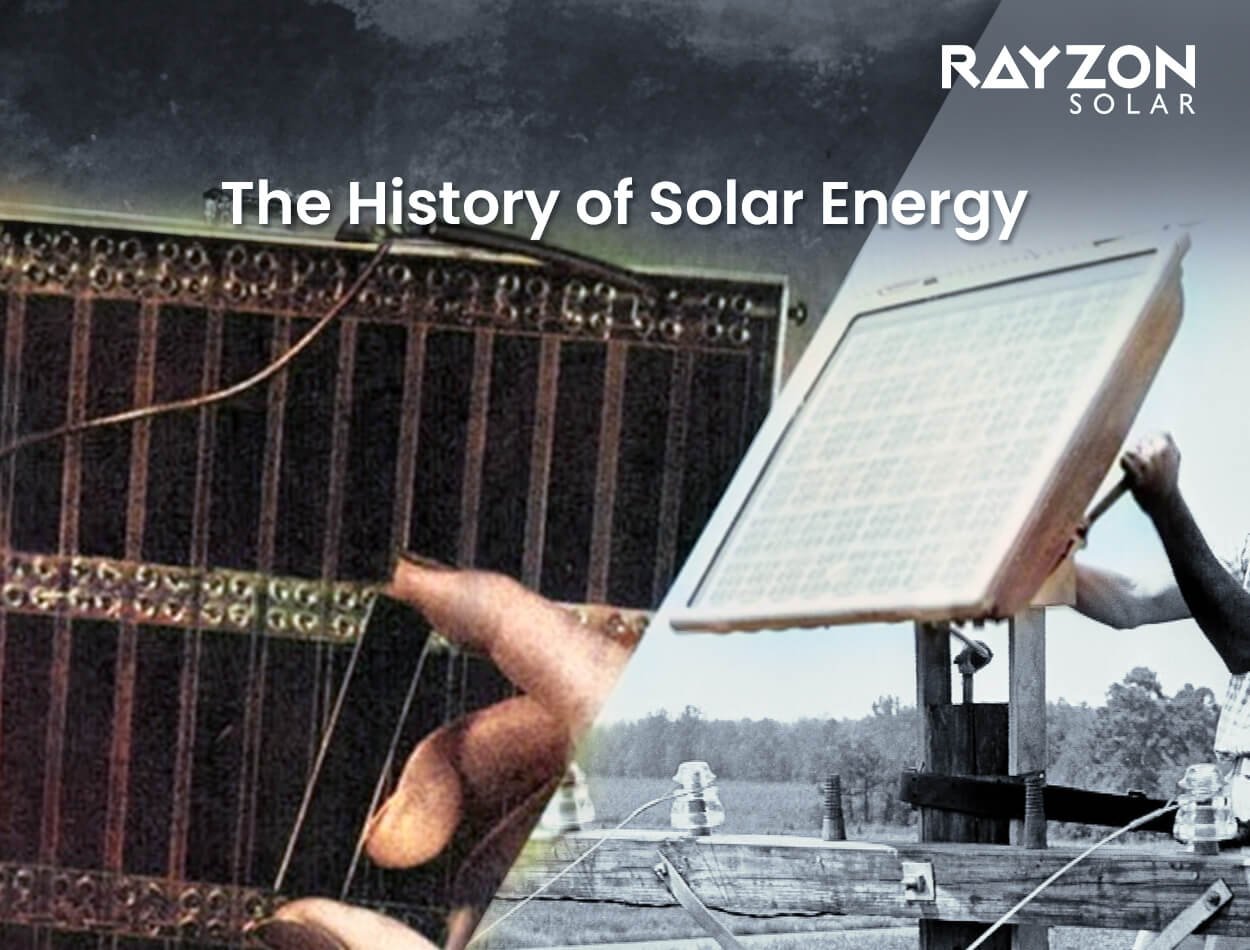
Humans have harnessed solar power for centuries, but significant advancements began in the 20th century. The invention of the photovoltaic cell in 1954 by Bell Labs marked the beginning of modern solar technology. Over the decades, solar panels have become more efficient and affordable, driven by innovations from leading solar panel manufacturers Rayzon Solar. Today, the best solar panels are capable of converting sunlight into electricity with impressive efficiency, making solar energy a viable renewable resource for homes and businesses.
How Solar Power Works
Solar power harnesses energy from the sun using photovoltaic (PV) technology. Solar panels, composed of solar cells, convert sunlight directly into electricity. This electricity can be used immediately, stored in batteries, or fed into the grid.
History of Wind Power
Wind power has a long history, dating back to the use of windmills in ancient Persia around 500-900 AD. These early windmills were primarily used for milling grain and pumping water. The development of electricity-generating wind turbines began in the late 19th century, with the first utility-scale wind turbine built in Vermont in 1941. Modern wind turbines are highly efficient, capable of generating significant amounts of electricity, and are a cornerstone of renewable energy in many parts of the world.
How Wind Power Works
Wind power generates electricity by using wind turbines to convert the dynamic energy of wind into mechanical power. This mechanical power is then converted into electricity using a generator.
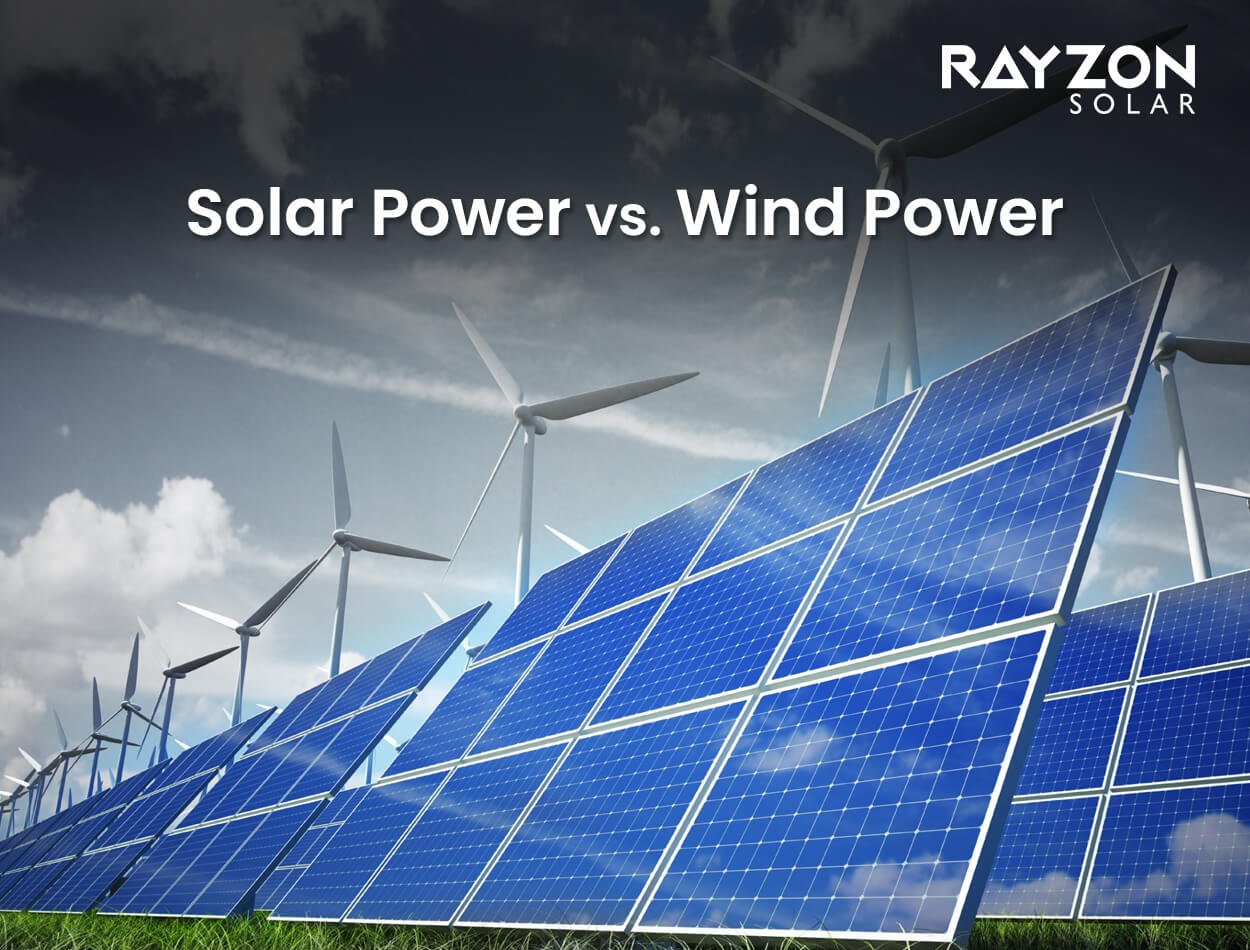
Solar Power vs. Wind Power: A Comparative Analysis
Efficiency and Performance
- Solar Power:Solar panels have a consistent output during daylight hours and are highly effective in sunny regions. Their efficiency can be impacted by weather conditions and geographic location.
- Wind Power: Wind turbines can operate day and night, provided there is sufficient wind. Their efficiency can vary based on wind patterns and location.
Cost and Economic Viability
- Solar Power: The initial cost of solar panels and installation can be high, but ongoing costs are relatively low. Government subsidies and programs can reduce upfront costs.
- Wind Power: Wind turbines require significant upfront investment and maintenance. However, they can generate substantial amounts of electricity, making them economically viable in the long term.
Environmental Impact
- Solar Power: Solar energy production is clean and silent, with minimal environmental impact. The production and disposal of solar panels, however, do involve some environmental considerations.
- Wind Power: Wind energy is also clean, but wind turbines can have visual and noise impacts. Additionally, they can pose risks to birds and bats.
Practical Applications
- Solar Power: Ideal for residential and commercial installations, particularly in areas with high solar insolation. Solar rooftops and solar panels for homes are popular applications.
- Wind Power: Best suited for large-scale energy production in areas with consistent wind. Wind farms are commonly used to supply power to the grid.
Read More: Economic Impact of Solar Energy
Renewable Energy in India
India has made significant strides in adopting renewable energy sources. With abundant sunlight and wind, the country is well-positioned to leverage both solar and wind power. The government's focus on renewable energy, through initiatives like PM Kusum and various subsidies, has spurred growth in this sector.
Solar Energy in India
India is one of the largest markets for solar energy. The country has numerous solar power plants and a growing number of residential and commercial solar installations. The best solar panels and top solar companies in India, such as Rayzon Solar, are driving this growth by providing high-quality products and services.
Wind Energy in India
India also has a robust wind energy sector, with significant wind power capacity. The country’s geographical diversity offers numerous locations suitable for wind farms. Wind energy contributes a substantial portion of the country's renewable energy mix.
Advantages and Disadvantages
Solar Energy
Advantages:
- 1. Scalability: Solar panels can be scaled to fit various applications, from small residential systems to large commercial installations.
- 2. Low Maintenance: Solar systems require minimum maintenance, mainly occasional cleaning and inspections.
- 3. Renewable Resource: Solar energy is abundant and inexhaustible, making it a reliable source of green energy.
Disadvantages:
- 1. Intermittent Energy Source:Solar energy production depends on sunlight availability, which can be inconsistent due to weather and seasonal changes.
- 2. Space Requirements: While solar panels are multipurpose, large-scale installations require significant space.
Wind Energy
Advantages:
- 1. High Efficiency: Wind turbines can convert wind energy into electricity more efficiently than solar panels convert sunlight.
- 2. Constant Power Generation: Wind energy can be generated day and night, providing a more consistent energy supply.
Disadvantages:
- 1. Space and Location Dependent: Wind turbines require open spaces with consistent wind, which limits their installation locations.
- 2. Higher Maintenance: Wind turbines have moving parts that require regular maintenance and can be affected by mechanical failures.
Best for Renewable Energy: Solar or Wind?
The choice between solar and wind power depends on various factors, including location, budget, and specific energy needs. For urban areas and regions with high solar irradiance, solar panels from top manufacturers such as Rayzon Solar are often the best choice. They provide a scalable, low-maintenance solution that integrates well with residential and commercial properties.
Wind energy, while more efficient in energy conversion, is better suited for rural or coastal areas with consistent wind patterns. Large-scale wind farms can produce substantial amounts of electricity, contributing significantly to the renewable energy grid.
Conclusion
Choosing between solar and wind power depends on various factors, including location, energy needs, and budget. Both renewable energy sources have their advantages and can complement each other. For instance, solar power might be more suitable for residential use, while wind power could be more effective for large-scale energy production.
Investing in renewable energy is a step towards a sustainable future. By considering the efficiency, cost, and environmental impact, you can make an informed decision that aligns with your energy goals. Whether you opt for solar panels from Rayzon Solar the best solar panel manufacturer or wind turbines from a leading wind power company, the transition to renewable energy is a positive move for the environment and future generations.
You Can Also Read This: The History of Solar Energy