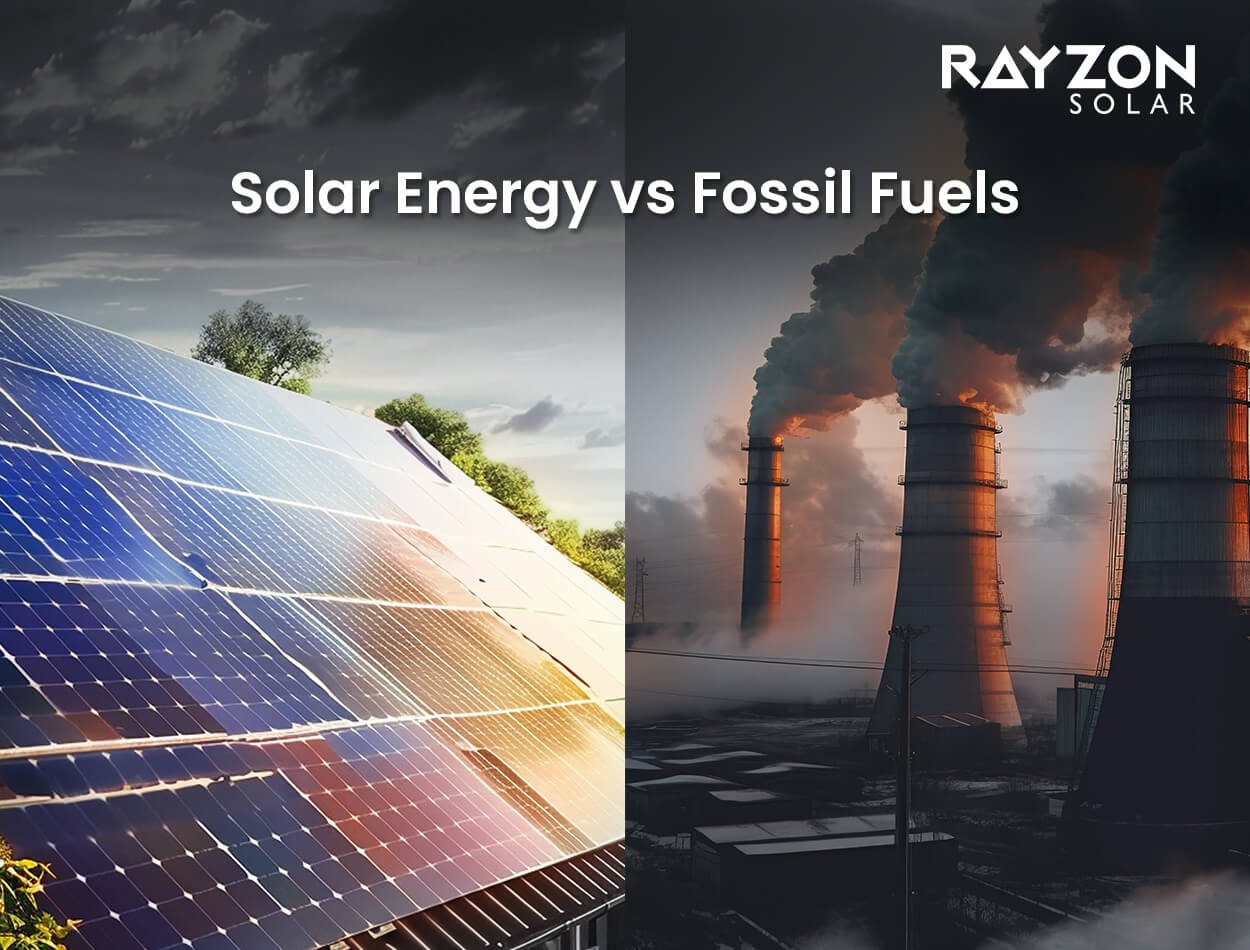
In the ever-evolving landscape of energy production, the debate between solar energy and fossil fuels has gained momentum. As the world seeks sustainable solutions to mitigate climate change and reduce dependence on determinate resources, the spotlight has increasingly turned towards renewable energy sources like solar power. In this comprehensive analysis, we'll delve into the dynamics between solar energy and fossil fuels, exploring their strengths, weaknesses, and the implications they hold for our planet's future.
The Rise of Solar Energy
In recent years, solar energy has experienced unprecedented growth, sustained by advancements in technology, declining costs, and growing environmental consciousness. Rayzon Solar has emerged as a pioneer in the solar industry, offering innovative solutions to harness the abundant power of the sun. From residential solar systems to large-scale solar farms, solar energy has become increasingly accessible and economically viable, paving the way for a cleaner, greener future.
Read More: Rise With Rayzon: Cricket's Solar Power Partnership
Understanding Solar Energy
Solar energy is the radiant energy emitted by the sun, which can be harnessed and converted into usable electricity or heat. This renewable energy source is abundant and freely available, making it an attractive alternative to traditional fossil fuels. Solar energy can be captured using photovoltaic (PV) panels, which convert sunlight directly into electricity, or solar thermal systems, which use sunlight to heat water or air for residential, commercial, or industrial applications. As a clean and sustainable energy source, solar energy plays a crucial role in mitigating climate change, reducing greenhouse gas emissions, and promoting energy independence.
Advantages of Solar Energy
1. Abundant and Renewable: Solar energy derives from the sun, an abundant and renewable resource, and different fossil fuels, which are determinate and reducing.
2. Nominal Environmental Impact: Solar energy production generates Nominal environmental impact, emitting no greenhouse gases or pollutants into the atmosphere, thereby mitigating climate change and improving air quality.
3. Cost-Effectiveness: With advancements in technology and economies of scale, the cost of solar energy has plummeted, making it competitive with conventional fossil fuels in many regions.
4. Energy Independence: Solar energy provides energy independence, allowing homeowners and businesses to generate their electricity and reduce dependence on external energy sources.
5. Scalability:Solar energy systems can be tailored to meet various energy needs, from powering individual homes to supplementing the energy grid on a larger scale.
Disadvantages of Solar Energy
1. Intermittent Availability:Solar energy production is subject to intermittency due to factors such as weather conditions and time of day, necessitating energy storage solutions for continuous power supply.
2. Energy Storage Challenges: Storing solar energy for use during periods of low sunlight can be challenging and costly, although advancements in battery technology are addressing this issue.
3. Land Use Concerns: Large-scale solar installations require substantial land area, raising concerns about land use conflicts and habitat disruption, although innovative solutions such as floating solar farms are being explored.
Understanding Fossil Fuels
Fossil fuels are natural resources formed from the remains of early plants and organisms that were buried and subjected to high pressure and heat over millions of years. These resources include coal, oil (petroleum), and natural gas, and they serve as the primary sources of energy for industrial, transportation, and residential purposes worldwide. Fossil fuels are non-renewable, meaning they are finite and will eventually run out. Additionally, their extraction, processing, and combustion release greenhouse gases and other pollutants into the atmosphere, contributing to air pollution, climate change, and environmental degradation.
Advantages of Fossil Fuels
1. Energy Density: Fossil fuels have a high energy density, making them efficient for transportation and energy production, especially in sectors such as aviation and heavy industry.
2. Reliable and Continuous Supply: Fossil fuels provide a reliable and continuous source of energy, unaffected by weather conditions or time of day, ensuring a stable energy supply.
3. Cost-Effectiveness in Certain Cases: In regions with abundant fossil fuel reserves or subsidized energy markets, fossil fuels may be more cost-effective than renewable alternatives.
Disadvantages of Fossil Fuels
1. Environmental Impact: Fossil fuel extraction, processing, and combustion release greenhouse gases and pollutants, contributing to climate change, air pollution, and environmental degradation.
2. Finite Resource: Fossil fuels are finite resources that are being depleted at an alarming rate, leading to increased extraction costs, geopolitical tensions, and energy insecurity.
3. Health Risks: The combustion of fossil fuels emits harmful pollutants that pose serious health risks to humans, including respiratory illnesses, cardiovascular diseases, and premature death.
4. Geopolitical Instability: Dependency on fossil fuels can exacerbate geopolitical tensions and conflicts over resource control and distribution, threatening global stability and security.
In conclusion, although both solar energy and fossil fuels come with their own set of Advantages and Disadvantages, the need to shift towards renewable energy sources like solar power has never been more pressing. Solar energy stands out due to its abundance, minimal environmental footprint, and decreasing costs, presenting a promising route to a sustainable and resilient energy future. Through investments in solar technology, encouragement of energy efficiency, and enactment of supportive policies, we can hasten the shift away from fossil fuels, paving the way for a cleaner, greener energy landscape for future generations.
You Can Also Read This: The Future of Solar Energy: Unlocking the Potential of Transparent Solar Panels