In recent years, India has been making significant strides towards adopting sustainable and eco-friendly modes of transportation. With the increasing focus on reducing carbon emissions and promoting renewable energy sources, solar energy has emerged as a promising solution for powering vehicles. In this comprehensive guide, Rayzon Solar explores the integration of solar energy in Indian transportation, particularly through the deployment of electric buses and solar-powered vehicles.
At the forefront of solar innovation in India stands Rayzon Solar, a Light of excellence in the renewable energy landscape. Renowned as a Top solar panel manufacturer, Rayzon Solar pioneer of cutting-edge solutions tailored to diverse applications. With an unwavering commitment to sustainability, Rayzon Solar fuels the nation's transition towards a greener future, empowering communities with reliable and efficient solar technology.
Harnessing Solar Energy in Indian Transportation
Electric Buses: A Greener Alternative to Conventional Public Transport
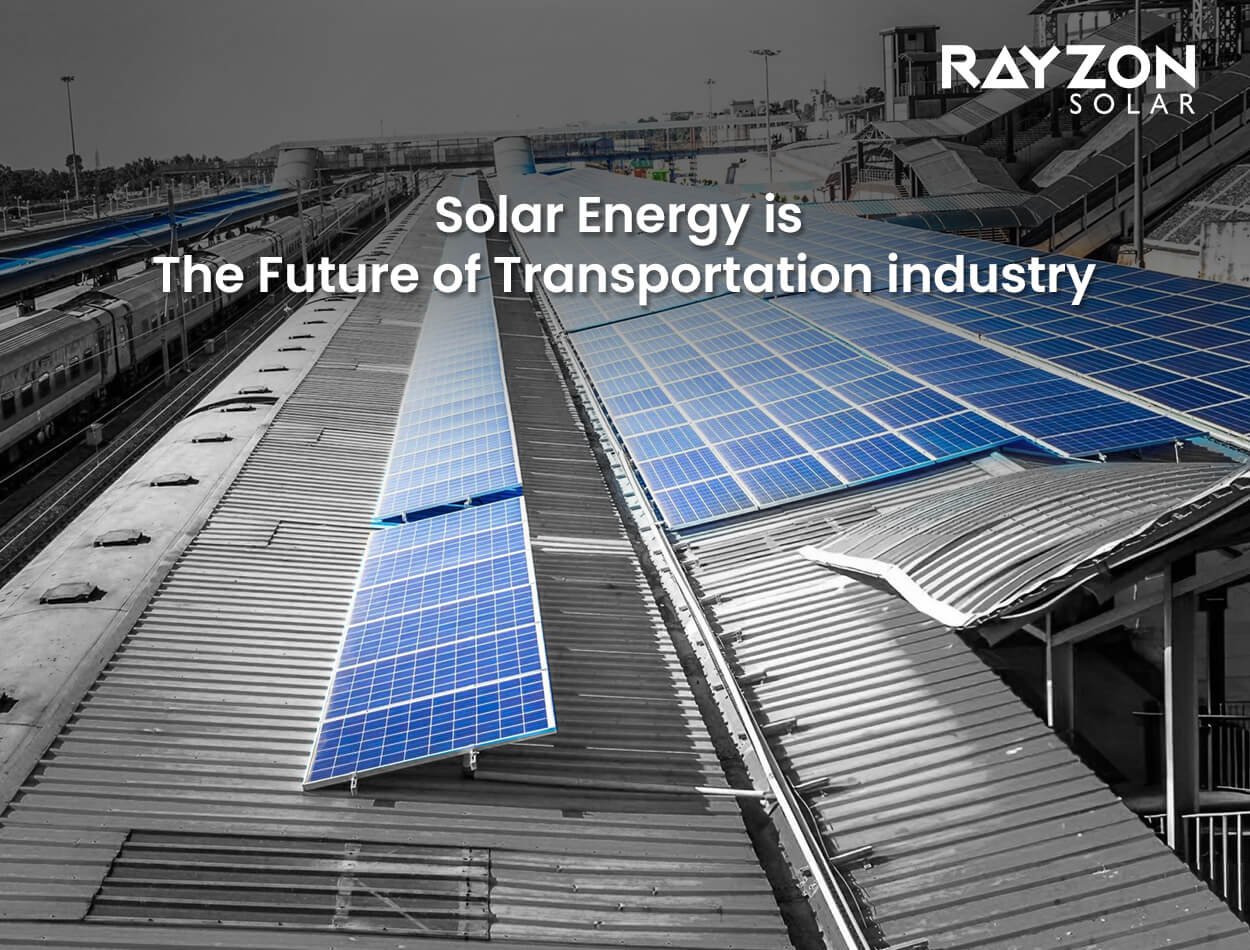
Electric buses have gained traction as a sustainable alternative to traditional diesel-powered buses in India. These buses are equipped with electric motors powered by rechargeable batteries, eliminating the need for fossil fuels and reducing harmful emissions. To further enhance their eco-friendliness, many electric buses are integrated with solar panels on their rooftops, allowing them to harness solar energy for auxiliary systems such as lighting and air conditioning.
Solar-Powered Vehicles: Pioneering the Future of Mobility
In addition to electric buses, solar-powered vehicles represent another innovative approach to sustainable transportation. These vehicles are equipped with photovoltaic panels that convert sunlight into electricity, supplementing the power from their batteries and extending their range. While solar-powered cars are still in the early stages of development, advancements in solar technology and battery efficiency hold promise for their widespread adoption in the future.
Read More: Powering the Future: Solar Energy Meets Electric Vehicles with Rayzon Solar
Advantages of Solar-Powered Transportation
1. Reduced Carbon Footprint: By utilizing solar energy, electric buses, and solar-powered vehicles significantly reduce greenhouse gas emissions compared to their conventional counter parts, contributing to cleaner air and a healthier environment.
2. Energy Independence: Solar-powered transportation reduces dependence on imported fossil fuels, enhancing energy security and promoting self-sufficiency in energy production.
3. Cost Savings: Over the long term, solar-powered vehicles offer substantial cost savings on fuel and maintenance expenses, making them a financially viable option for fleet operators and individual consumers.
4. Promotion of Renewable Energy: The adoption of solar-powered transportation helps drive demand for solar energy technologies, fostering the growth of the renewable energy sector and creating employment opportunities in the green economy.
Challenges and Considerations
While solar energy holds immense potential for transforming transportation in India, several challenges need to be addressed for widespread adoption:
1. Infrastructure Development:The deployment of electric buses and solar-powered charging stations requires significant infrastructure investments, including charging infrastructure and grid upgrades.
2. Technological Limitations: Despite advancements, current solar technology may not provide sufficient power to meet the high energy demands of heavy-duty vehicles such as buses and trucks.
3. Policy Support: Government incentives, subsidies, and regulatory frameworks play a crucial role in incentivizing the adoption of solar-powered transportation and overcoming market barriers.
4. Consumer Awareness: Educating consumers about the benefits of solar-powered vehicles and dispelling myths and misconceptions is essential for increasing acceptance and adoption.
Government Initiatives: Accelerating Solar Adoption in Transportation
The Indian government is spearheading initiatives to promote the widespread adoption of solar energy in transportation. These visionary programs include:
1. The National Electric Mobility Mission Plan 2020: Intending to increase the number of electric vehicles (EVs) in India to 6 million by 2023, this ambitious plan incentivizes the production and adoption of EVs across the country.
2. The FAME India Scheme: Short for Faster Adoption and Manufacturing of Hybrid and Electric Vehicles in India, this scheme offers subsidies and incentives to encourage the purchase of EVs, making them more accessible and affordable for consumers.
3. The National Solar Mission: As part of India's commitment to renewable energy, this mission aims to ramp up the country's solar power capacity to 100 gigawatts (GW) by 2022. By promoting the widespread adoption of solar energy, the government seeks to reduce dependence on fossil fuels and mitigate environmental impact.
4. PM Surya Ghar Yojana: Additionally, the government's visionary initiative, PM Surya Ghar Yojana, promotes the installation of solar panels on residential rooftops. By incentive solar energy adoption at the grassroots level, this scheme empowers households to embrace clean energy and contribute to India's renewable energy targets.
Read More: A Guide to PM Surya Ghar Yojana by Rayzon Solar
These initiatives reflect India's proactive stance towards embracing sustainable transportation solutions, leveraging the power of solar energy to drive economic growth and environmental stewardship. As a leading solar panel manufacturer, Rayzon Solar is proud to support these efforts by providing innovative solar solutions that power electric buses and solar-powered vehicles, paving the way for a cleaner and brighter future.
With Rayzon Solar's cutting-edge technology and the government's strategic initiatives, India is poised to emerge as a global leader in solar-powered transportation, setting a shining example for sustainable mobility worldwide.
Future Outlook
Despite these challenges, the future of solar energy in Indian transportation appears promising. With continued advancements in solar technology, supportive government policies, and growing public awareness for electric buses and solar-powered vehicles are poised to play a significant role in shaping the future of mobility in India. By harnessing the power of the sun, India can pave the way towards a greener, more sustainable transportation ecosystem.
Conclusion
Solar energy has the potential to revolutionize transportation in India, offering a cleaner, more sustainable alternative to traditional fossil fuel-powered vehicles. Through the deployment of electric buses and the development of solar-powered vehicles, India can reduce its carbon footprint, enhance energy security, and promote economic growth. With Rayzon Solar leading the charge in solar innovation, the future of solar-powered transportation in India looks brighter than ever before. Let's embrace the power of the sun and drive towards a cleaner, greener future for all.
You Can Also Read This:- Pioneering Sustainable Solutions for a Greener Future