In today's era of environmental consciousness, the demand for sustainable energy solutions continues to grow. As a leading solar panel manufacturer, Rayzon Solar is extending its business operations to the United States, offering top-tier solar systems and expertise to homeowners and businesses across the nation. Let's explore how Rayzon Solar is shaping the future of renewable energy in the U.S. market.
Understanding Solar Energy Tax Credits
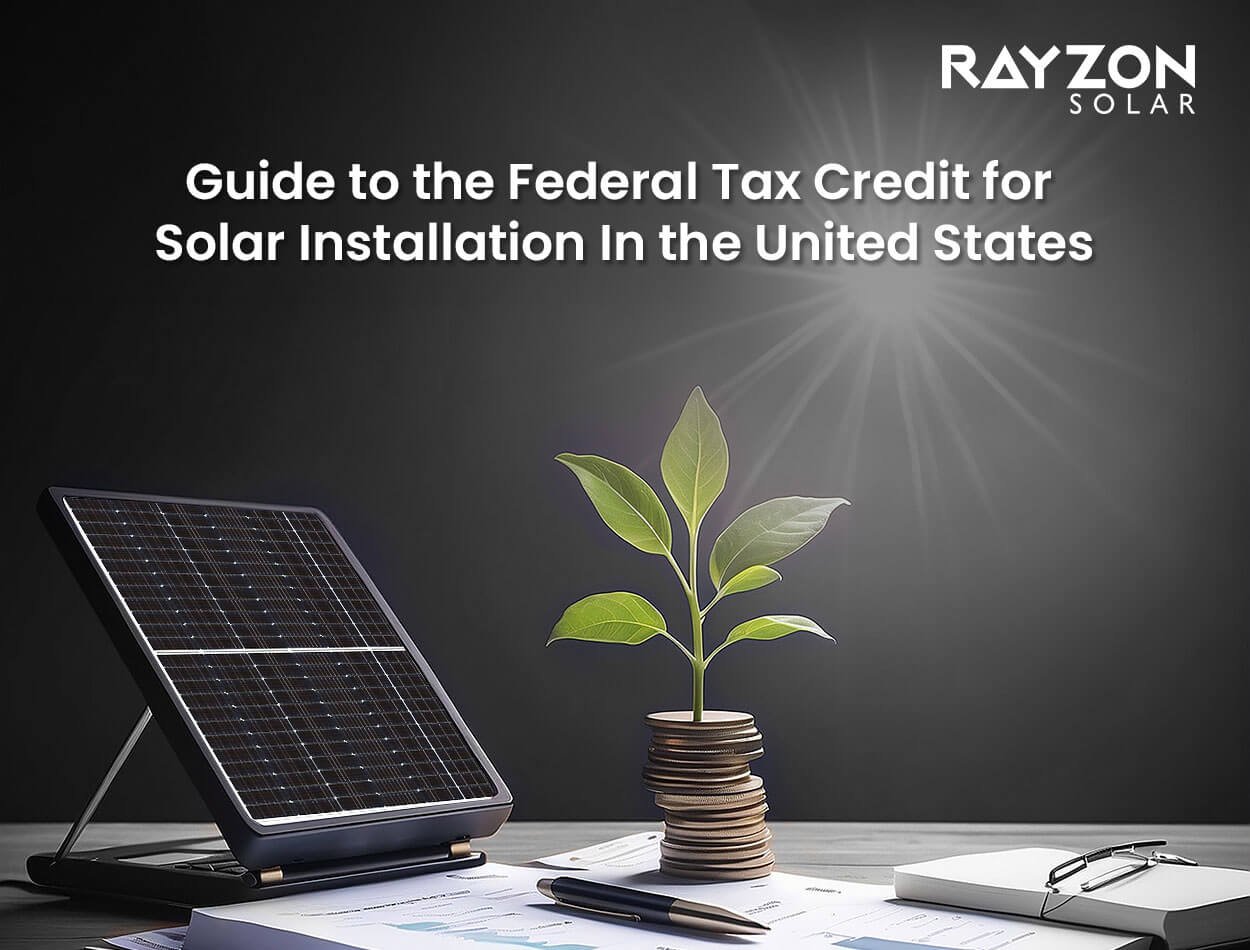
One of the most significant incentives for adopting solar energy in the United States is the federal tax credit for solar photovoltaics (PV). This tax credit provides homeowners with a dollar-for-dollar reduction in federal income taxes, making solar installations more affordable and accessible. The federal solar tax credit, also known as the Investment Tax Credit (ITC), allows homeowners to claim a percentage of the cost of a solar PV system installed on their property.
Eligibility Criteria for the Federal Solar Tax Credit
To qualify for the federal solar tax credit, homeowners must meet certain criteria:
1. The solar PV system must be installed between January 1, 2017, and December 31, 2034.
2. The system must be located at a residence in the United States.
3. The homeowner must own the solar PV system outright or have purchased an interest in an off-site community solar project.
4. The solar PV system must be new or being used for the first time.
Expenses Included in the Federal Solar Tax Credit
The federal tax credit can be claimed on various expenses related to the installation of a solar PV system, including:
- Solar PV panels or PV cells
- Contractor labor costs for onsite preparation, assembly, or original installation
- Balance-of-system equipment, such as wiring, inverters, and mounting equipment
- Energy storage devices with a capacity rating of 3 kilowatt-hours (kWh) or greater (for systems installed after December 31, 2022)
- Sales taxes on eligible expenses
Impact of Other Incentives on the Federal Tax Credit
Investing in solar energy can be an attractive option for homeowners who want to reduce their carbon footprint, save money on energy bills in the long run, and take advantage of various incentives that are available to them. These incentives include utility rebates, state tax credits, and payments for renewable energy certificates, which can all have a significant impact on the calculation of the federal solar tax credit. It's important for homeowners to carefully consider how these incentives interact with each other so that they can make informed decisions about their solar investment and maximize their tax benefits.
Rayzon Solar's Commitment to the U.S. Market
Rayzon Solar, a top solar company that specializes in renewable energy solutions, has recently expanded its business to the United States, bringing its expertise and innovative technology to homeowners across the country. With a passion for quality and reliability, Rayzon Solar is committed to delivering top-notch solar panels and installations that are designed to maximize energy efficiency and reduce costs. Their experienced team of professionals is dedicated to providing exceptional customer service and ensuring that every project meets the highest standards of excellence. By choosing Rayzon Solar, homeowners can feel confident that they are investing in a sustainable energy solution that will exceed their expectations and help them reduce their carbon footprint.
Partnering with Rayzon Solar: Advantages for Homeowners
By choosing Rayzon Solar as their solar panel provider, homeowners gain access to:
- High-quality solar panels manufactured by a trusted industry leader
- Expertise in solar technology and renewable energy solutions
- Assistance in navigating federal tax incentives and local regulations
- Comprehensive support throughout the solar installation process
In conclusion, Rayzon Solar's expansion into the U.S. market presents an exciting opportunity for homeowners to embrace solar power and contribute to a cleaner, greener future. With the federal solar tax credit and Rayzon Solar's expertise, transitioning to solar energy has never been more accessible or rewarding. Join the solar revolution with Rayzon Solar and take the first step towards energy independence and sustainability.
Interested in installing solar panels but unsure about the costs? Delve into our comprehensive guide by Rayzon Solar for detailed insights on solar panel costs in the United States. Read the full guide here: [Solar Panel Cost In The United States: A Comprehensive Guide By Rayzon Solar]